
Why the busiest teams are often the ones creating the least value and the operating shift that fixes it.
There is a quiet lie running through most companies: that being busy is the same as making progress.
It is an easy lie to believe, because activity is easy to measure. You can count emails sent, posts published, meetings booked, reports generated, dashboards built. Every one of those numbers can go up while the business stands still.
I got a sharper way to say this at Harvard’s intensive on agentic AI. One line cut through everything else: the outcome is the only metric that matters in business. It sounds obvious. But almost no team operates this way. We reward motion, celebrate output and confuse a full calendar with a moving business.
The “So What” Test
Take any piece of work your team is proud of. Then ask two words: so what?
You published more content. So what? Did it create demand, or fill a calendar? Your team sent more emails. So what? Did pipeline quality go up? You shipped a report 80% faster with AI. So what? Did it lead to a better decision, or a faster way to produce something nobody acts on?
The work that earns its place connects to a result you can name: a decision improved, friction removed, a risk caught early, time handed back to the people doing the highest-value thinking. Everything else is overhead with good PR.
Sell The Hole, Not The Drill
People don’t want a drill, they want the hole. Most companies forget this the moment they talk about themselves. They lead with the feature instead of the outcome. The fix isn’t to dumb anything down. It’s to start from the result and let the features earn their way back in. A product is rarely the story. The story is the outcome it makes possible.
The Same Trap, Now In AI
Most organizations ask the wrong question: how do we make this faster with AI? That gets incremental efficiency. The better question is harder: if we were designing this work today, with AI from the start, what would it even look like? Redesigned around the outcome, whole steps collapse, because the point was never the steps. The point was the decision at the end.
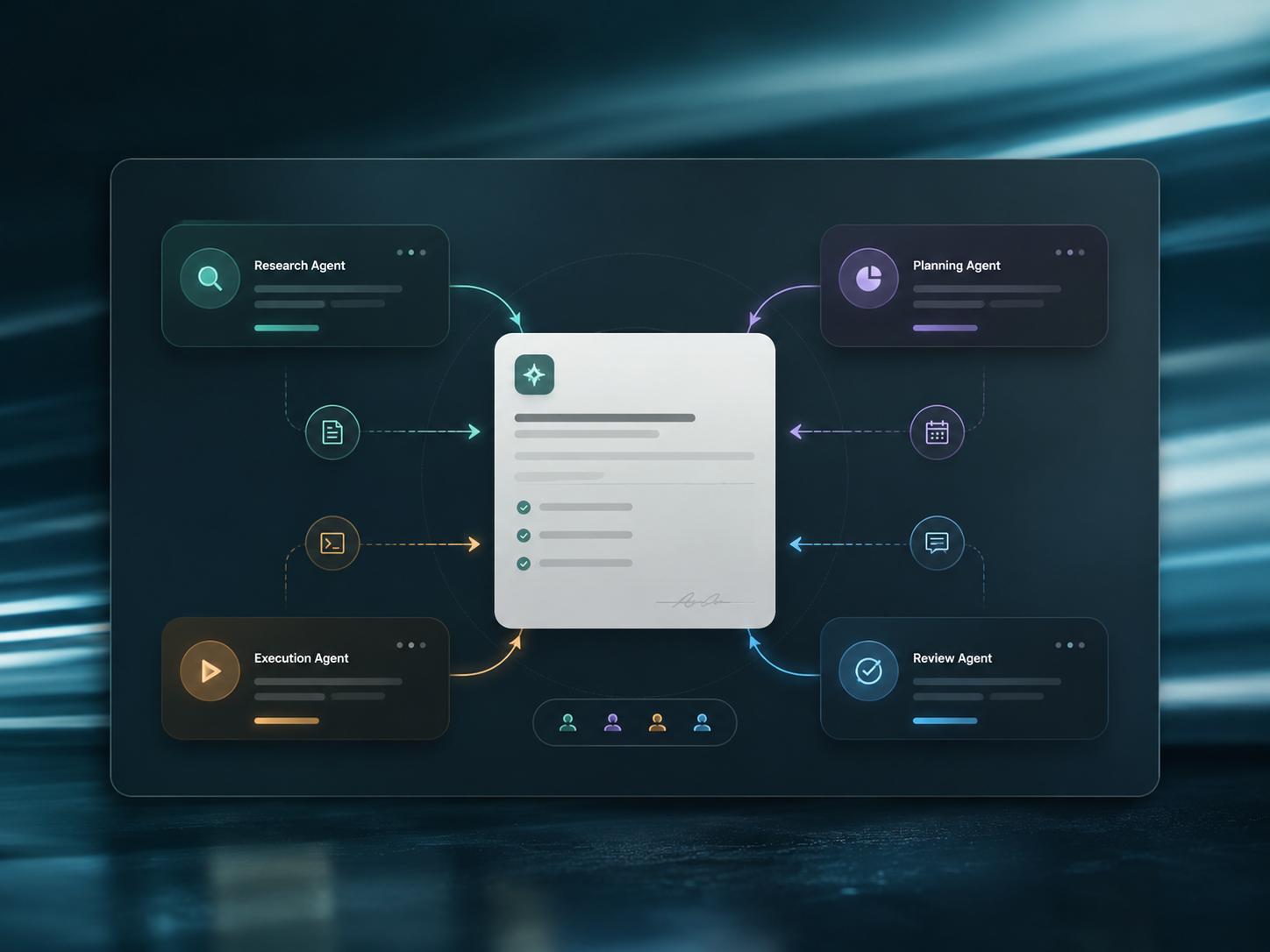
An agent that summarizes information is mildly useful. An agent that helps you act on the right information at the right time is a different category of asset. There’s already too much information in every business. More summaries don’t help. Better decisions do.

Outcome Architecture
The technology layer is becoming a commodity. Access is no longer an advantage. The advantage moves to how you design the business around outcomes, what I call Outcome Architecture: designing strategy, messaging, workflows, AI systems, and go-to-market around the result that matters most, working backward from the end state. The goal is not maximum automation. It’s intelligent leverage.
The Questions Worth Asking This Quarter
- What outcome does this actually create?
- What unmet need does it solve?
- What action should this message drive?
- What decision should this AI agent improve?
- What result should this workflow support?
The outcome is where value lives. It’s what customers respond to, what investors evaluate, what teams align around, and what markets reward. Pick one thing your team is proud of being busy with this week. Then ask it: so what? If you can’t answer in a sentence, you’ve found the most valuable place to start.
— Steph Pliha, founder of Tribe Consulting.


























Read the Comments +