

High performers don’t burn out on Fridays. They burn out on Sunday
nights at 9pm.
It’s 9:17pm on a Sunday.
You’re not working. You finished dinner, you watched something you won’t
remember by Tuesday, and now you’re sitting with your phone doing that thing where you scroll without looking at anything. Your mind is already in Monday’s first meeting. You’re cataloguing what you didn’t finish last week. You’re calculating whether the decision you deferred on Thursday is going to cost you by Wednesday.
You are paying the Sunday Night Tax.
Every high-performing professional I know pays it. Nobody talks about it because it doesn’t show up on a calendar, it doesn’t get measured in a productivity system, and it sounds dangerously close to complaining, which is not on brand for someone who has built something real.
But it is real. And it is expensive.
What the Tax Actually Costs
The Sunday Night Tax is not anxiety, exactly. It is the cognitive and emotional overhead of carrying unresolved decisions, unprocessed information, and unstructured weeks into the only mental downtime you have.
Most executives do not actually rest on weekends. They pause. There is a
difference. Rest is restorative. A pause is just a slower form of processing the same backlog.
The cost is not just tiredness on Monday morning, though that is real too. The deeper cost is the compounding effect on decision quality. You walk into your most important week already depleted by forty-eight hours of low-grade cognitive load that never cleared. You make the decisions that require the most from you in the worst cognitive state of your week.
And then you wonder why Thursday feels sharper than Monday.
Where It Comes From
The Sunday Night Tax has two main sources, and most people only address one of them.
The first is tactical incompletion. Things that were supposed to be done last week that aren’t. Emails that need responses. Decisions that got deferred because the week filled up before they got addressed. These are the obvious ones. They create a specific, itemizable anxiety that a good Sunday evening planning session can largely resolve.
The second source is structural ambiguity. This one is harder. It is not about specific undone tasks, it is about not having a clear framework for how the week ahead is supposed to work. When you don’t know what success looks like for the coming week, your brain stays on alert all weekend trying to hold the shape of something that doesn’t have one yet.
Most productivity advice addresses the first source and ignores the second
entirely. Which is why most productivity advice produces temporary relief and no lasting change.
The Framework That Actually Works

I built my week around what I call the Five S’s: Systems, Sales, Scaling,
Strategy, Strength (both personal health and brand authority). Each one represents a domain of my business and my life that needs intentional attention. Not equal time. Intentional attention.
Every Sunday, I assign the coming week to those five buckets before I assign it to a calendar. I know what I am trying to move in each domain. I know what done looks like. I know what I am not doing this week, which is as important as knowing what I am.
The structural ambiguity disappears. Not because the week is perfectly planned, it never is, but because my brain has a container to put it in. The open loop closes. The tax goes from forty-eight hours of low-grade dread to a twenty- minute Sunday evening conversation with myself.
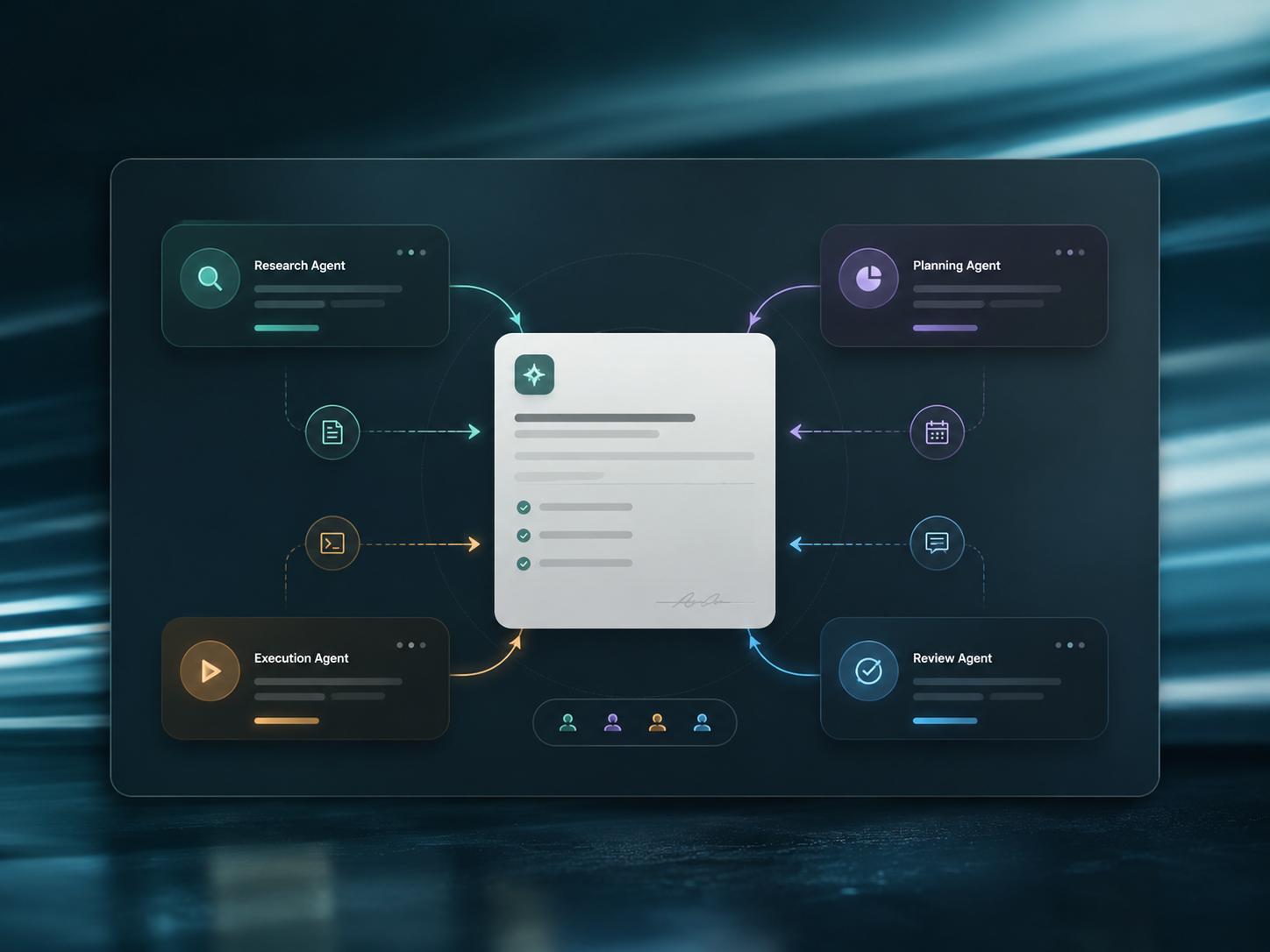
I also, for what it’s worth, now have an AI agent that does a portion of the pre- week synthesis for me, pulling my calendar, flagging who I’m meeting with, surfacing the signals I need before Monday. Not because I couldn’t do it myself. Because reclaiming that cognitive bandwidth changed how I feel on Sunday nights more than almost anything else I have done in the last year.
The Permission Slip You Didn’t Ask For
You are allowed to protect Sunday.
Not all of it. I am not suggesting you ignore your business for forty-eight hours and hope everything holds. I am suggesting that the version of Sunday where you are technically off but mentally completely on is serving no one. Not your business. Not your family. Not the quality of judgment you bring to Monday.
The Sunday Night Tax is not a sign that you care enough. It is a sign that your week doesn’t have enough structure to contain what you’re carrying.
Build the container. Stop paying the tax.



























Read the Comments +