
If you spend more than five minutes on tech Twitter right now, you’ll feel like you’re walking down the yellow brick road of AI SaaS.
Every day there is a new “Superagent” promising to run your entire company while you sleep. Claude CoWork, Manus, OpenClaw, oh my! The market is obsessed with shiny new toys. But for founders in the trenches, this relentless pace isn’t creating leverage.
It’s creating profound, paralyzing brain fatigue.
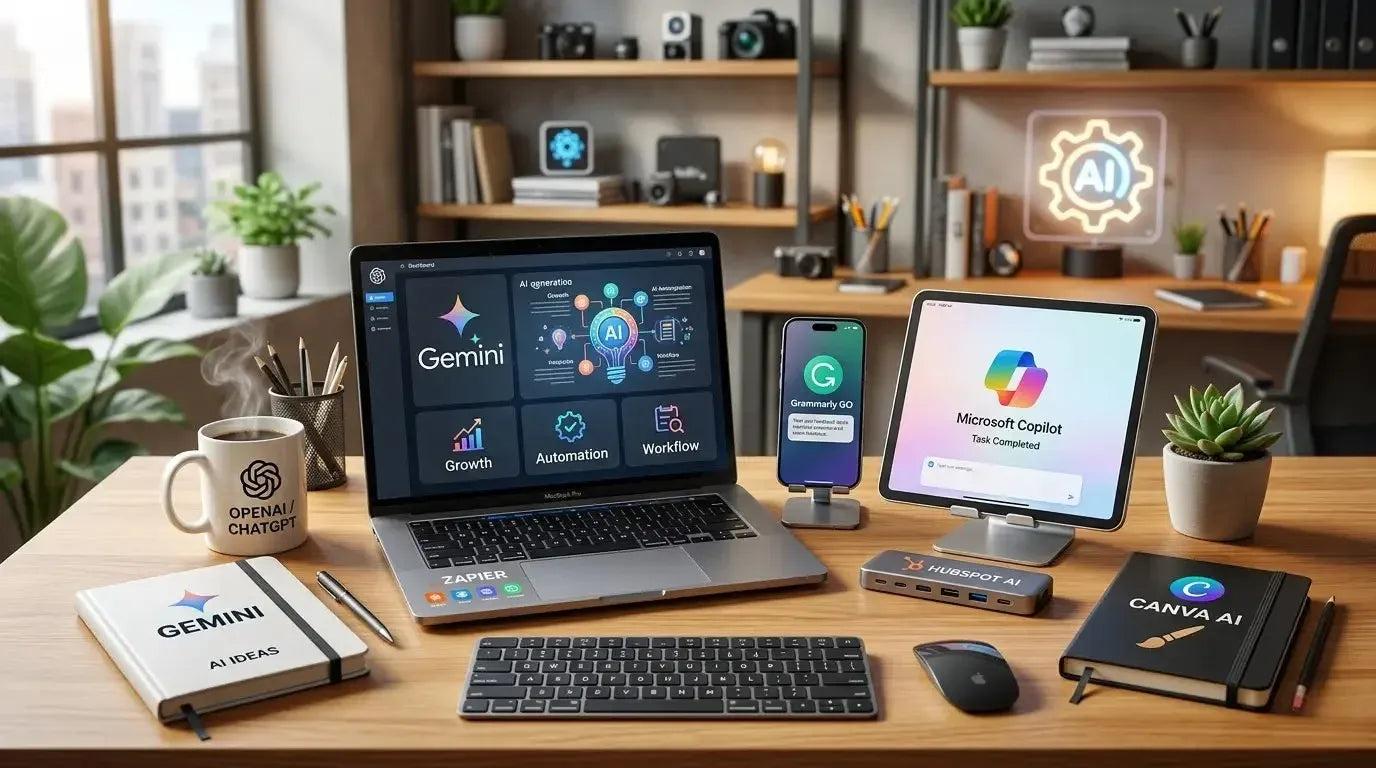
The launch cycles aren’t going to slow down. You need an infrastructure, not a collection of apps. Here is the no-BS guide to the 2026 AI agent landscape: when to build, when to rent, and exactly what the trade-offs are so you can buy back your sanity.
1. The Invisible Backbone: Google Apps Script + Gemini API
Most founders are paying third-party tools to automate their email and calendar. Stop it. If your business runs on Google Workspace, your greatest asset is hiding in plain sight.
- What it is: A free, native automation environment inside your Google account.
- When to use it: For predictable, routine factory work. Weekly content generation, inbox triage, CRM data syncing.
- PROS: Zero monthly SaaS fees. You own the code. It runs invisibly in the background on Google’s servers. I used Google’s Gemini to walk me through the setup, step by step. It’s easy and gets you exactly what you need every time.
- CONS: You have to look at a little bit of code to set it up (though you can use AI to write it for you). It is not designed for complex, multi-step problem solving.
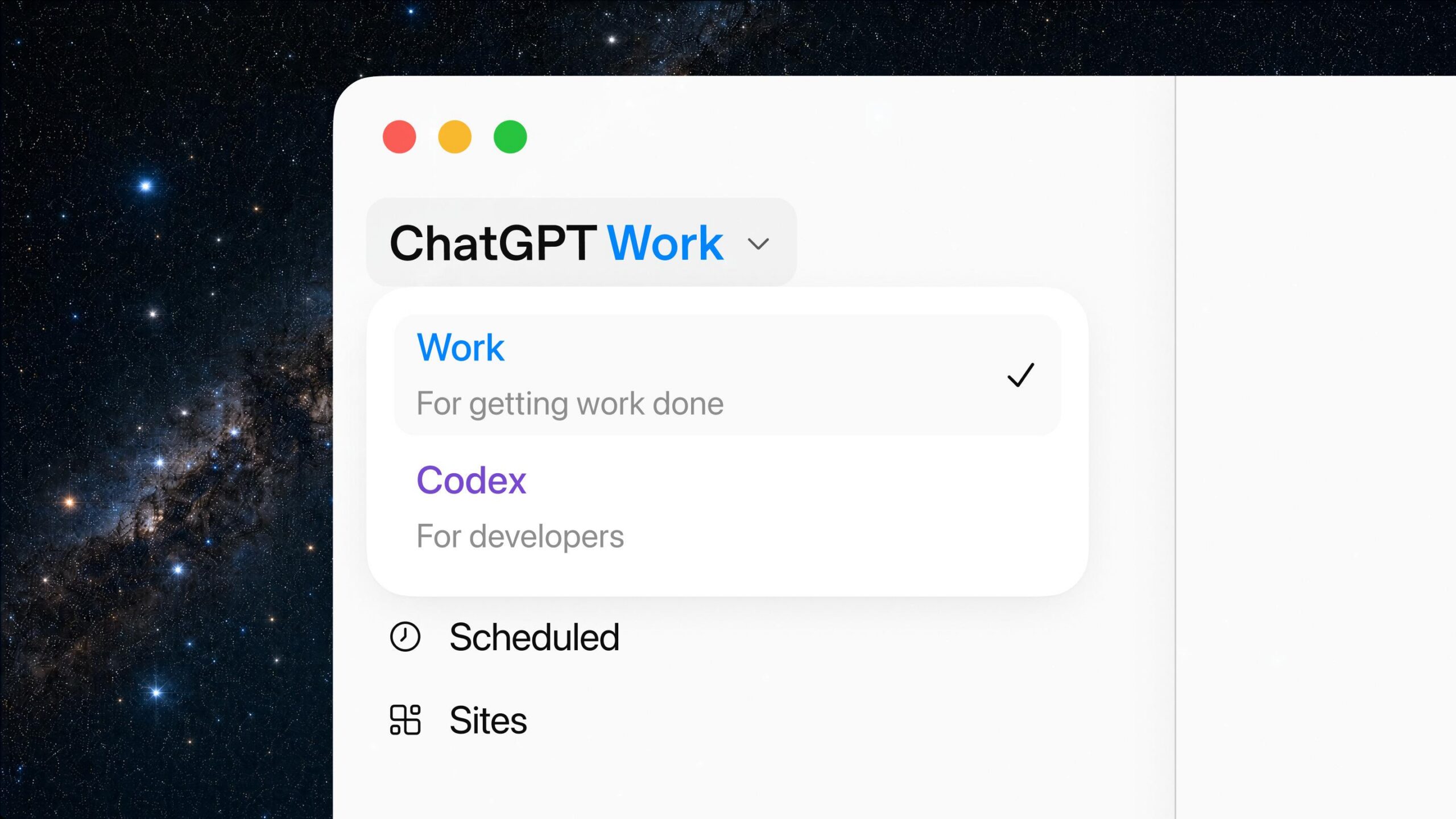
2. The Desktop Chief of Staff: Claude CoWork
Anthropic just changed the game for knowledge workers who want agentic power without knowing how to use a developer terminal.
- What it is: An agent that lives directly on your desktop, with access to your local files and folders.
- When to use it: When you need to synthesize research across messy local documents, organize your hard drive, or extract data from unstructured contracts.
- PROS: Zero coding required. It does the heavy lifting of reading PDFs and spreadsheets that normally takes an analyst hours.
- CONS: It requires your desktop app to be open and your computer to be awake to run. You cannot currently share these sessions with your team.
3. The Open-Source Pocket Operative: OpenClaw (formerly Clawdbot)
You don’t always need a heavy enterprise tool to get things done. Sometimes you just need an agent living in your DMs.
- What it is: The viral, open-source autonomous agent that integrates directly into messaging apps like Telegram, Signal, and WhatsApp.
- When to use it: For automating lead generation, running quick website audits, or kicking off a CRM workflow while you are standing in line for coffee.
- PROS: It’s hackable, open-source, and has persistent 24/7 memory. Running workflows natively from your text messages is unmatched leverage.
- CONS: It requires some technical setup (managing API keys and installing “skills”). Because it’s open-source and has access to your computer/files, installing unvetted third-party skills can be a massive security risk.
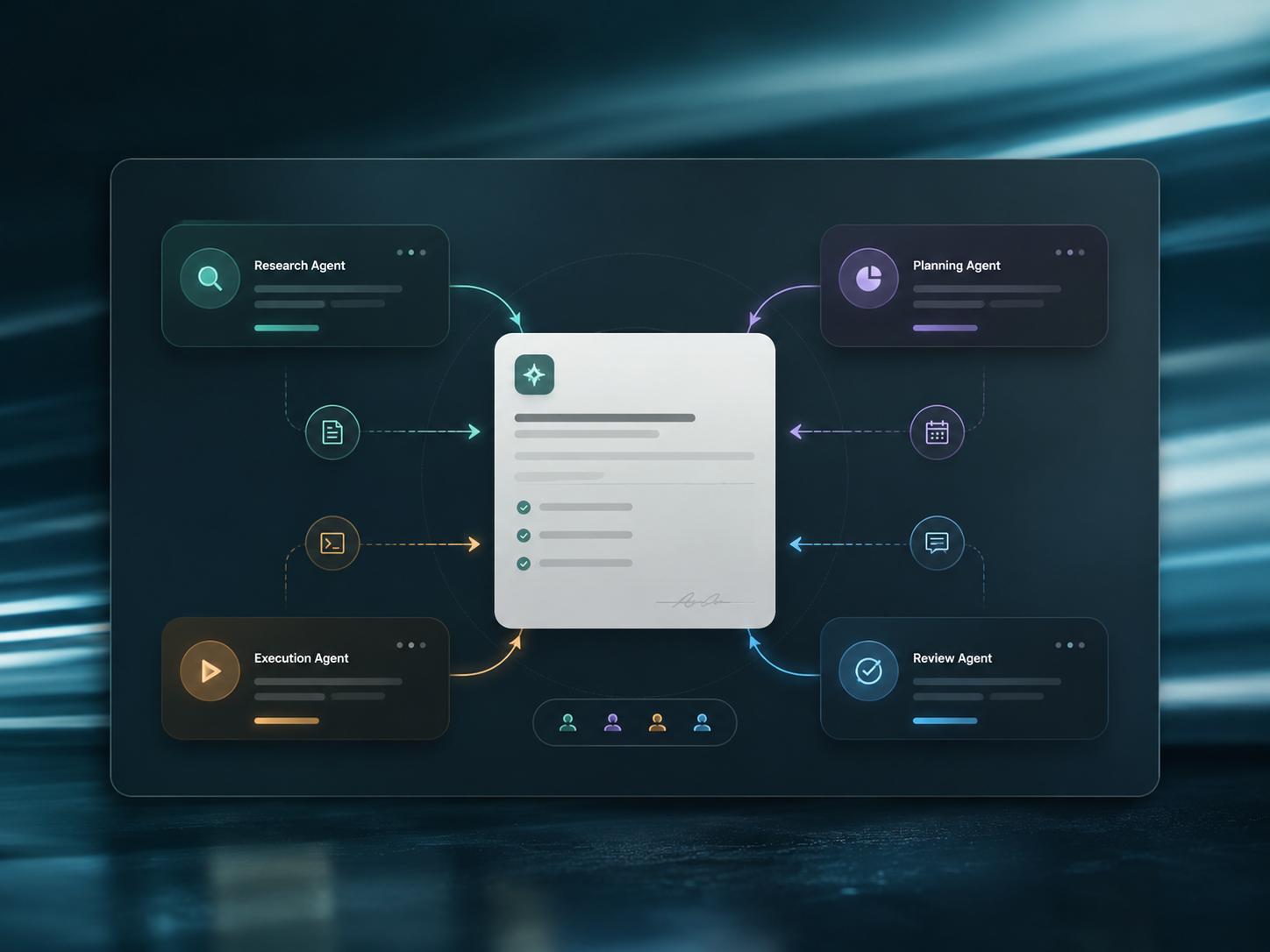
4. The Deep-Work Execution Engines: Manus (Meta) & Claude Code, Opus 4.7, Base44
These are the heavyweights. You give them a massive goal, and they figure out the steps to achieve it.
- What they are: Multi-step orchestration agents designed for complex problem-solving.
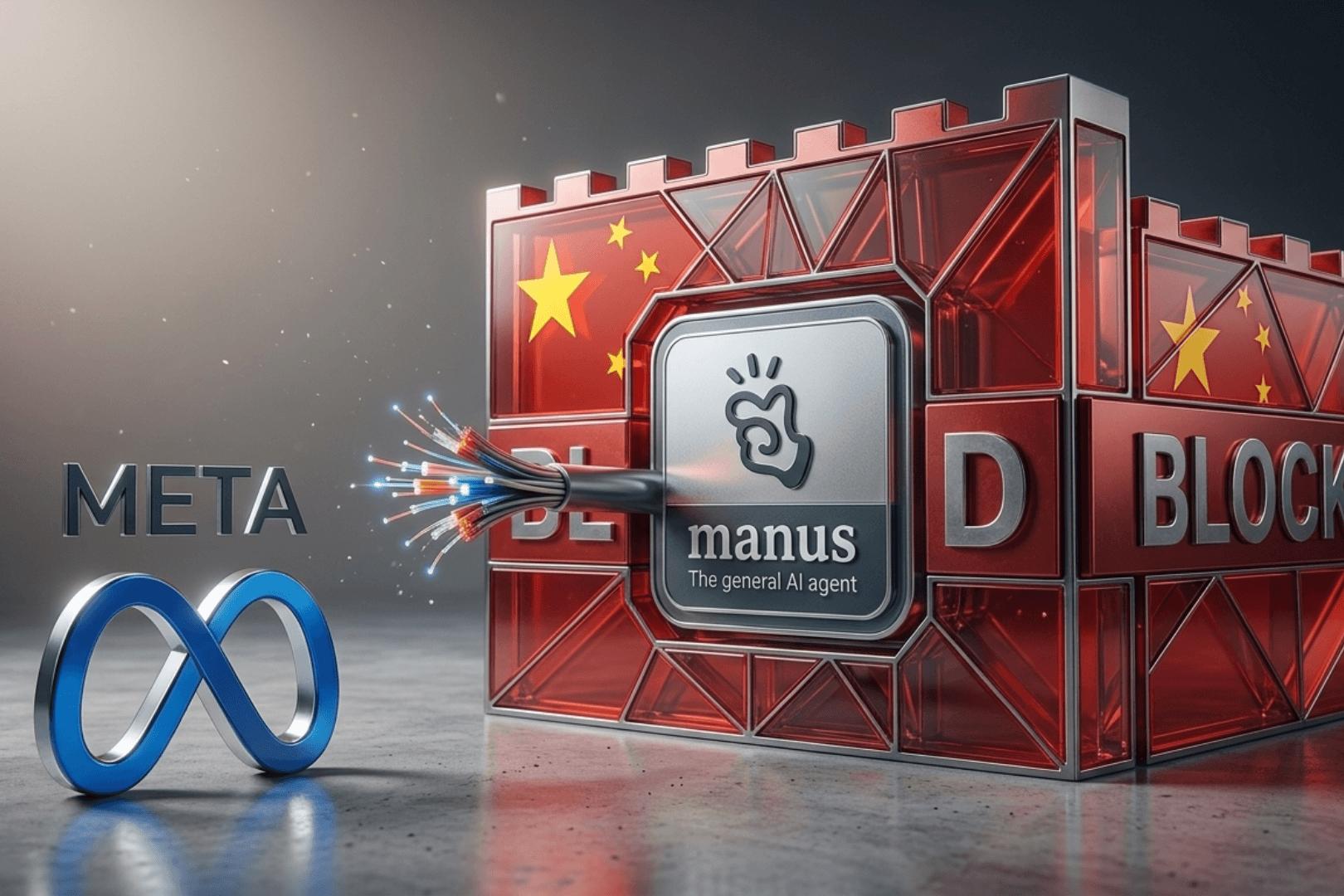
- When to use them: Use Manus (recently acquired by Meta for $2B) for autonomous campaign testing and media buying at scale. Use Claude Code or the heavy-reasoning Opus 4.7 model when you are building software architecture and need an agent to write, test, and deploy code.
- PROS: Unparalleled autonomy. They can plan, act, check their own work, and execute massive projects that would take a human team weeks.
- CONS: They burn through API credits violently fast. They are incredibly expensive and total overkill for simple, everyday tasks.
- FREE CREDITS HERE: Manus Credits – Grab Them!
The “Whole Human” Reality Check
Running a company in 2026 feels like running a marathon where the finish line keeps moving and no one is handing out water. The relentless pursuit of the “Next AI Rockstar” is a trap that will fry your central nervous system before it ever scales your business.
Stop trying to keep up with every single launch.
The ultimate operational leverage doesn’t come from adopting 50 different AI agents. It comes from building a multi-layered ecosystem that does the work for you, so you can step away from the screen. Let the machines run the race at machine speed. You need to focus on your own Gatorade—protecting your biology, grounding your mind, and leading your company.
Ready to stop doing the manual work? Grab the exact blueprint of the AI tools powering my tech stack and buying back my time at stephpliha.com/resources






















Read the Comments +