Part of AI Gold Rush Series 3 of 3
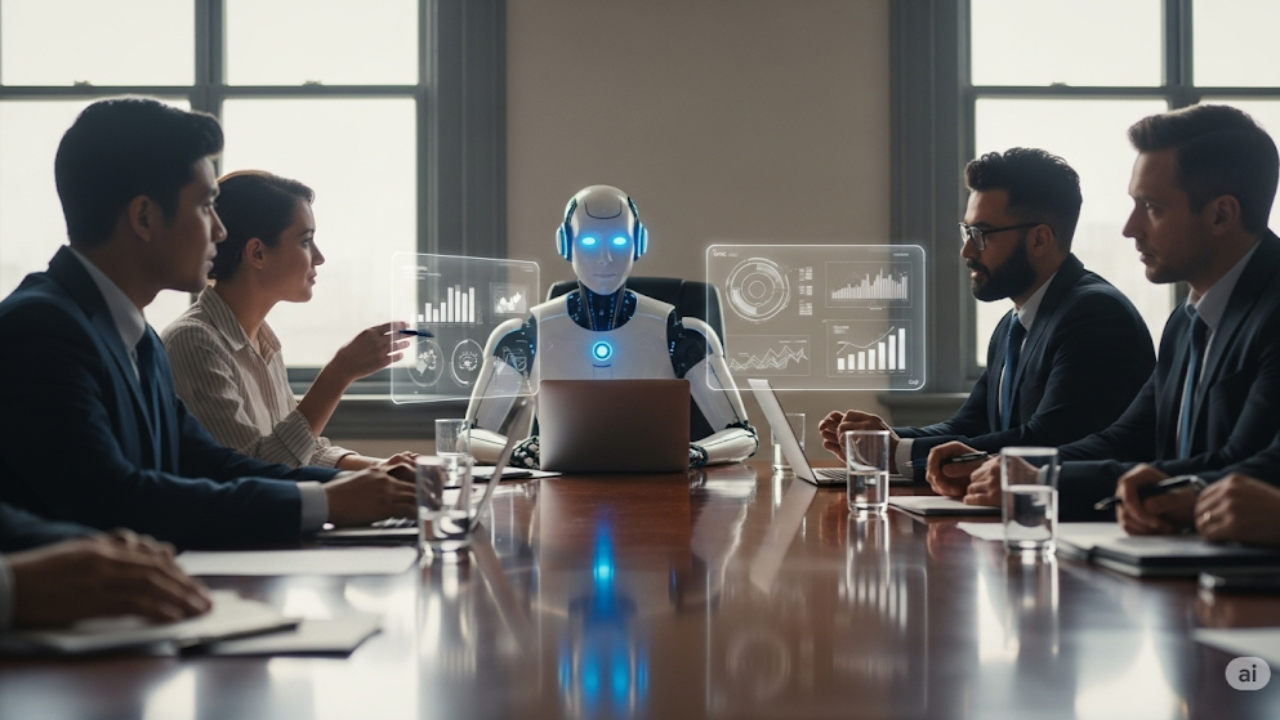
I don’t think the biggest shift is that AI got smarter. I think the biggest shift is that AI has started to do the work instead of just talking about it.
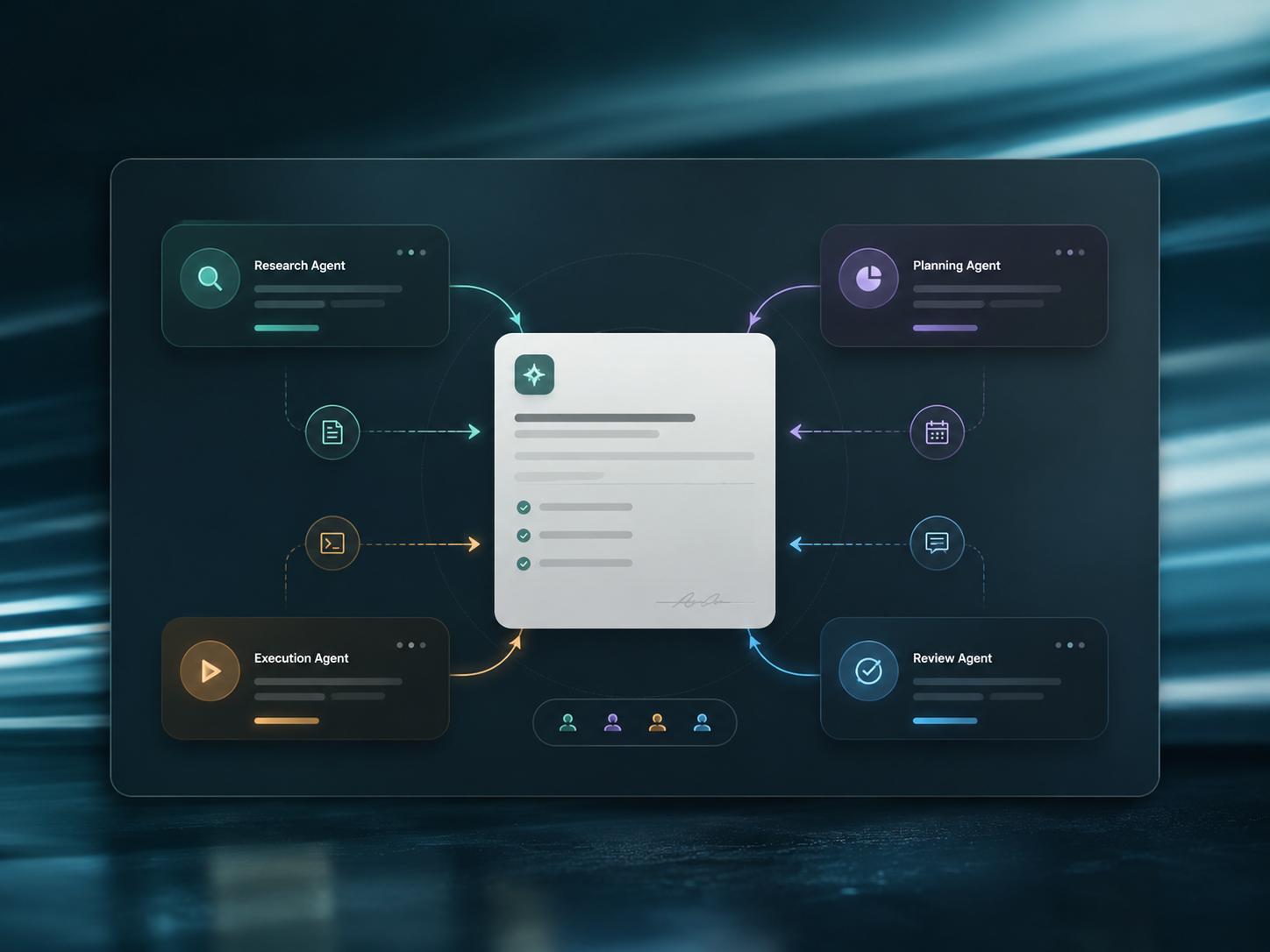
Over the last two weeks, the signal has been clear: we’re moving from lightweight copilots to outcome‑driven, agentic systems that can take delegated actions across enterprise tools. That means AI isn’t just drafting for us anymore. It’s starting to own workflows, not just help us along the way.
The real question has changed. It isn’t, “Can AI help my team?” It’s, “Where can AI safely own a workflow end to end, inside my guardrails and with real accountability?”
From Helper to Stakeholder
For a long time, we treated AI like a smart assistant. It wrote, summarized, and suggested. That was nice, but it left the heavy work on human shoulders.
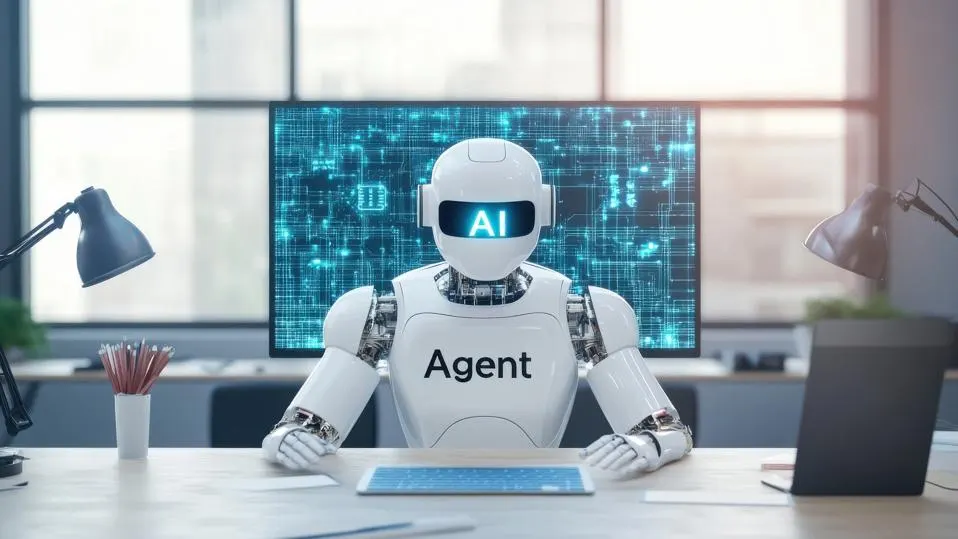
Now the market is shifting. Agentic AI can set goals, map multi‑step plans, and execute tasks across apps with far less babysitting. That means AI isn’t just sitting beside the team. It’s stepping into the workflow as a digital stakeholder.
That’s where the winners pull ahead. The companies that win won’t be the ones that pile on more tools. They’ll be the ones that redesign work around execution, oversight, and measurable outcomes.
Where It Hits First
The first workflows to shift are the ones that are repetitive, approval‑heavy, or time‑sensitive. That’s where policy controls, identity‑based permissions, and delegated authority start to matter.
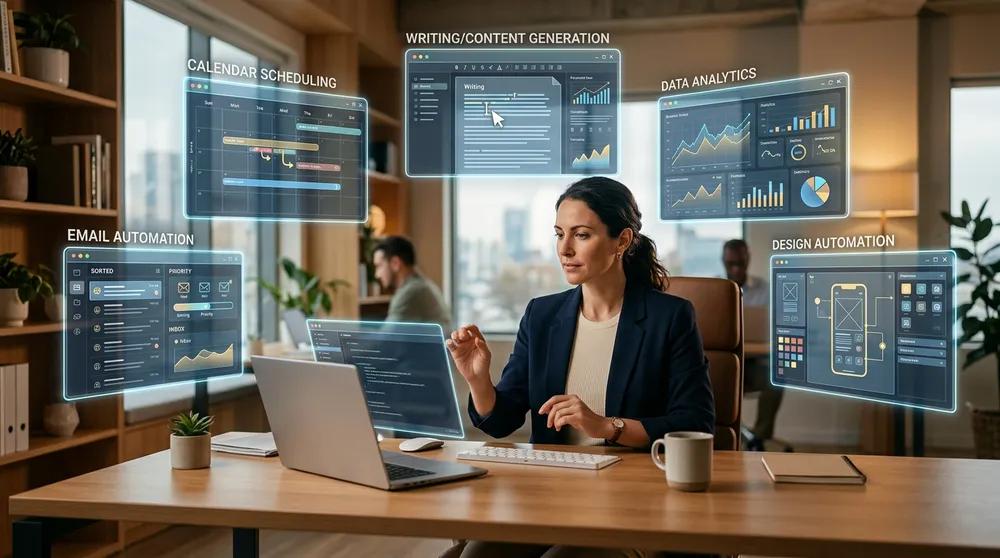
Think operations. IT operations. Logistics. CRM hygiene. Internal reporting. Researching market signals.
I like to say this: copilots help you drive. Agents can start to drive the route, avoid detours, and deliver the cargo. That sounds efficient because it is. But it also means leaders need cleaner systems, clearer policies, and an honest answer to, “Who’s responsible when AI acts?”
The Real Leadership Shift

This isn’t a tech story. It’s a leadership story.
When AI can execute, the best humans stop being task collectors. We start becoming system designers, decision‑makers, and stewards of trust.
That’s a big mindset shift. Managing output isn’t the same as leading transformation.
If your team still treats AI as a novelty, you’re already behind. If you treat it like infrastructure, you start asking better questions: what should be automated, what must stay human, what needs auditability, and what deserves judgment?
That’s where it gets interesting. The strongest organizations won’t be the most automated. They’ll be the most intentional.
The Real risk Everyone’s Ignoring
The risk isn’t that AI becomes too powerful. The risk is that companies bolt it onto broken workflows and call it innovation.
I’ve seen enough hype cycles to know this: shiny layers on top of weak systems don’t last. The market is rewarding deeper redesign, not superficial features.
That’s good news for builders. It means there’s room for companies that rethink the whole system. It means there’s space for leaders who can blend speed with governance, ambition with restraint, and automation with judgment.
Why This Matters For The Whole Human
This is where my Whole Human philosophy lands.
The future doesn’t need less humanity. It needs more grounded humans leading more capable systems.
Agentic AI will change work. But it won’t replace discernment, values, intuition, or spiritual clarity. If anything, the more autonomous our tools become, the more important it is to know who you are, what you stand for, and what you won’t delegate. That isn’t softness. That’s leadership.
The companies and creators who win in this next era will be the ones who build with both speed and soul. They’ll use AI to expand capacity, not erase identity. They’ll use systems to create freedom, not chaos.
My point is simple: your company needs an ICP, but your personal brand needs a heartbeat. In an agentic world, that heartbeat is what keeps the machine from becoming the message.
If any of this lands, I’d love to have you join me on the Leadr. Podcast.
We’re already talking through how Whole Human leadership shows up in a world where AI isn’t just helping anymore, it’s taking the wheel.



















Read the Comments +