I use AI aggressively in my business. I have built agents, dashboards, research tools and operating systems that let a very small company work with the range and speed of a much larger one.
I am usually the person encouraging founders to stop circling the tools and start putting them to work.
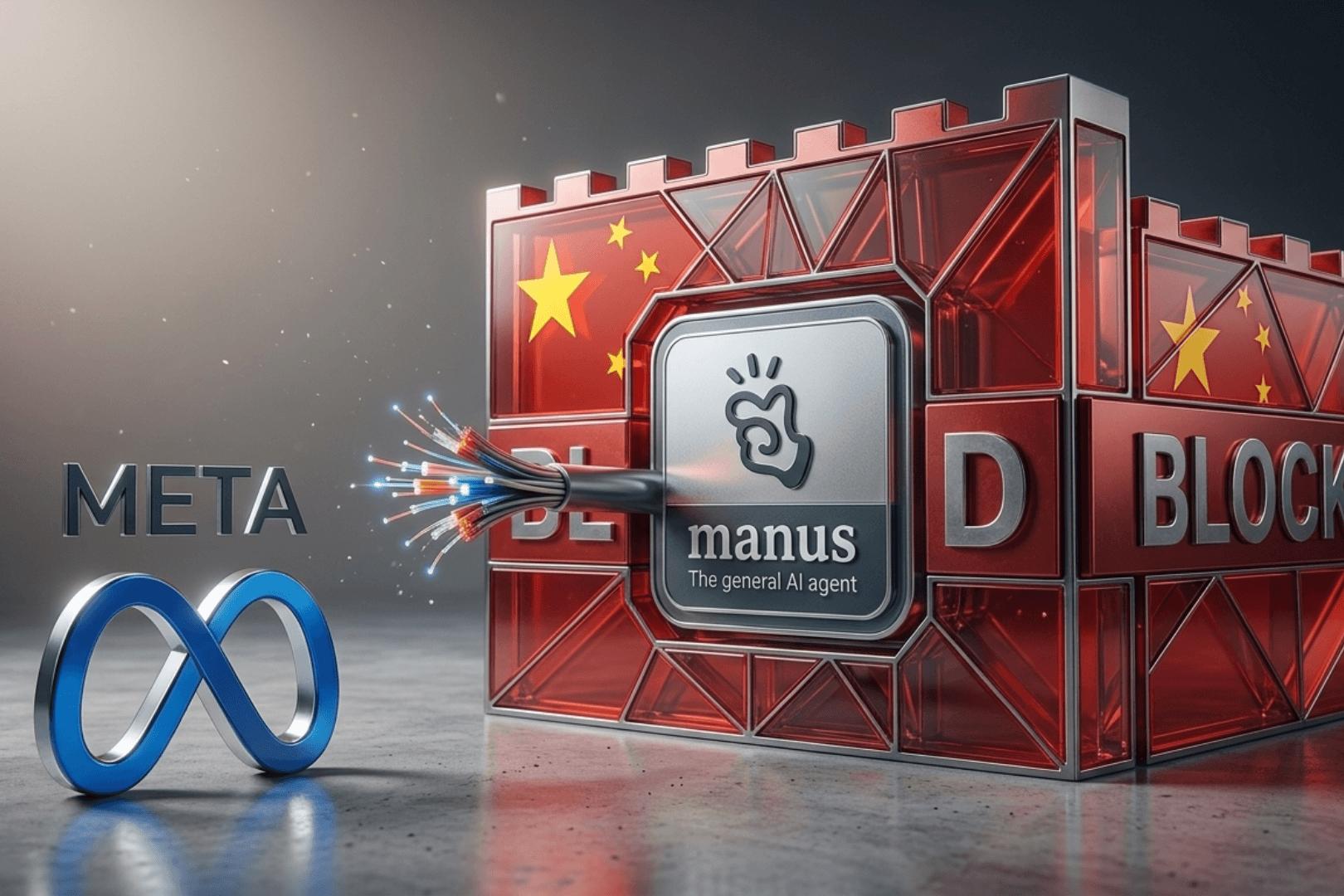
Then China’s top economic planning agency ordered Meta to unwind its roughly $2 billion acquisition of Manus, and I got a practical lesson in what it means to build important parts of a business on land you do not own.
What the Meta Manus Acquisition Meant for My Business
Manus announced that it would return to independent operation. The company told affected users that tasks created or updated on or after December 29, 2025, the date Meta completed the acquisition, would be deleted during the transition. Those users were given a limited window to back up their account and task data, including Manus-generated artifacts, and could begin restoring that data after the service change was completed. Some affected Manus-hosted websites could remain unavailable until restoration was complete.
That is the official explanation. The business-owner version is simpler: work I had treated like infrastructure suddenly became a migration project with a deadline.
The timing was particularly inconvenient. I was on vacation when a client I had introduced to Manus sent me the article and asked, “Have you seen this?” I had not. Within minutes, I was checking my account and realizing how much of the business now depended on it.
This was not a matter of downloading a few experimental prompts. I had built Tribe’s CRM from scratch in Manus, along with several operating dashboards, active landing pages, market research systems and internal tools. Some of that work also supported client workflows. Manus had become part of our operating infrastructure because it consistently produced excellent work and had earned my confidence.
Backing up and preparing to restore all of it took several hours, interrupted my vacation and pulled my attention away from work that had already been planned. It also forced me to identify every dependency, determine what needed to be preserved and prepare for the possibility that active sites or workflows could become temporarily unavailable.
I still believe Manus is a strong platform, and I hope its return to independent operation makes it even better. But the experience changed the way I think about every AI vendor. These companies are emerging quickly, changing quickly and often being built on foundations that have not yet been tested by time. The tools may feel like infrastructure. Many of the companies behind them are still young, regardless of how established their products may feel.
The lesson is not to stop building with AI. It is to build with an exit plan. Know what your business depends on, what can be exported, how it would be restored and what happens if a platform changes ownership, changes direction or disappears. Innovation creates leverage. Portability protects it.
The Problem Is Larger Than Manus
It would be easy to turn this into a complaint about one company. That would miss the point.
AI platforms are changing quickly because the companies, capital, regulations and technical foundations underneath them are changing quickly. Acquisitions happen. Regulators intervene. Product priorities shift. Features disappear. Pricing changes.
A platform that feels permanent on Tuesday can become an operational risk by Friday.
The mistake is confusing convenience with ownership.
When a tool is useful, we begin building around it. Then we connect data, create workflows, train the system on our context and let
more of the business depend on it. Each step makes the tool more valuable. It also makes leaving harder.
AI Leverage Needs An Exit Plan
I still believe founders should use AI to increase leverage. The difference is that I now evaluate the exit before I become dependent on the tool.
Can I export the source material in a useful format? Where does the business logic live? Can another person understand the workflow without opening this platform? What happens to the website, agent or dashboard if the company changes ownership, terms or access? How quickly could we rebuild the essential function somewhere else?
Those questions are part of designing the business.
For anything mission critical, I want four protections:
- An independent copy of the core knowledge
- A regular export process
- Written documentation of the workflow
- A second path for the functions the business cannot afford to lose
Not every experiment requires that level of protection. Infrastructure does.
Build Fast And Stay Portable
The promise of these tools is real. One founder or a small team can now research markets, build software, manage content, prepare meetings and coordinate operations at a level that used to require far more people.
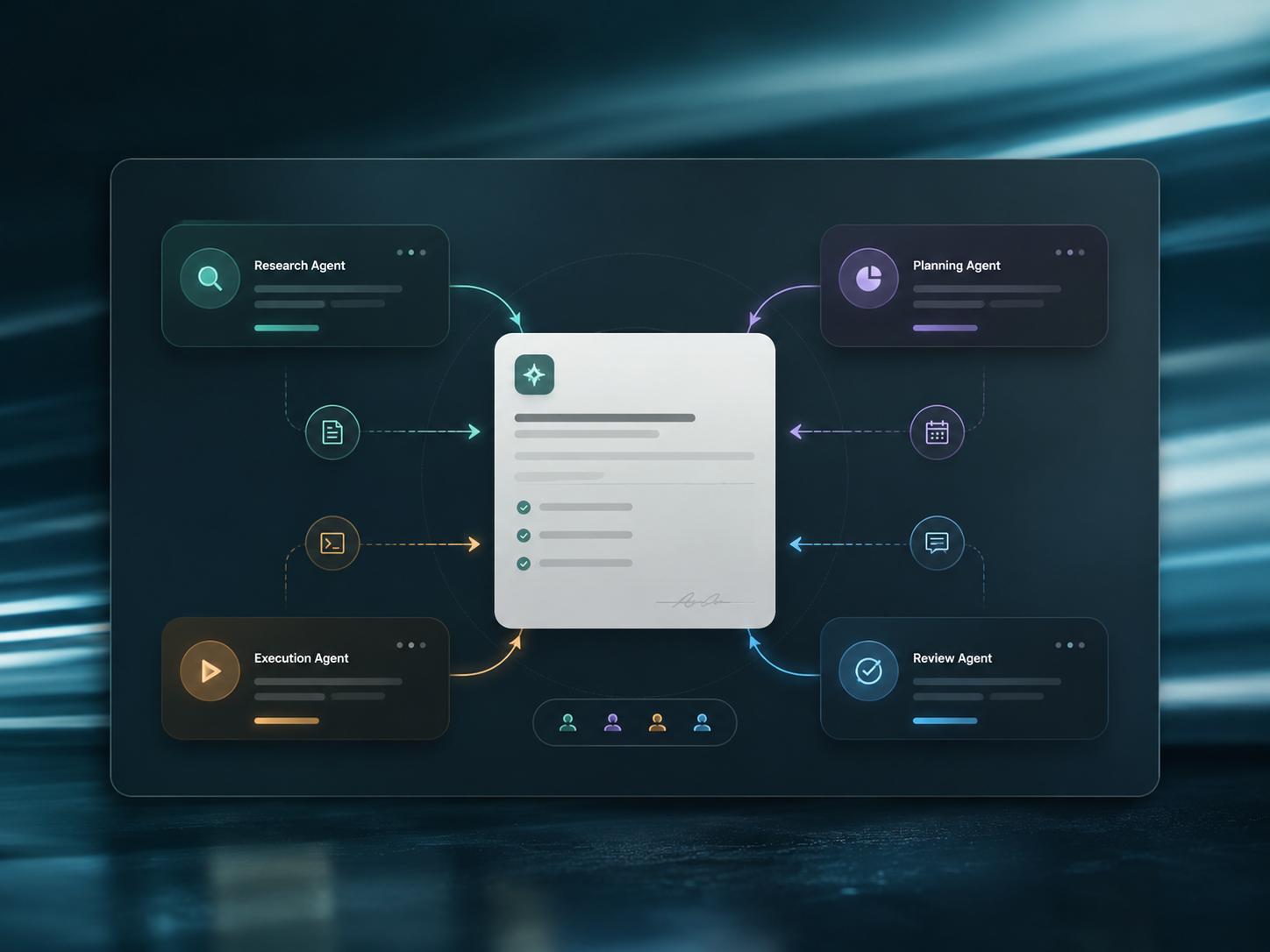
Databricks reported a 327% increase in multi-agent workflows in less than four months. AI is becoming business infrastructure faster than many companies are building the discipline to manage it.
I am not responding by pulling back from AI. I am building with more skepticism about permanence.
Use the tool. Build the workflow. Take the leverage. Just make sure the most important parts of your business can survive the platform that made them possible.






















Read the Comments +