
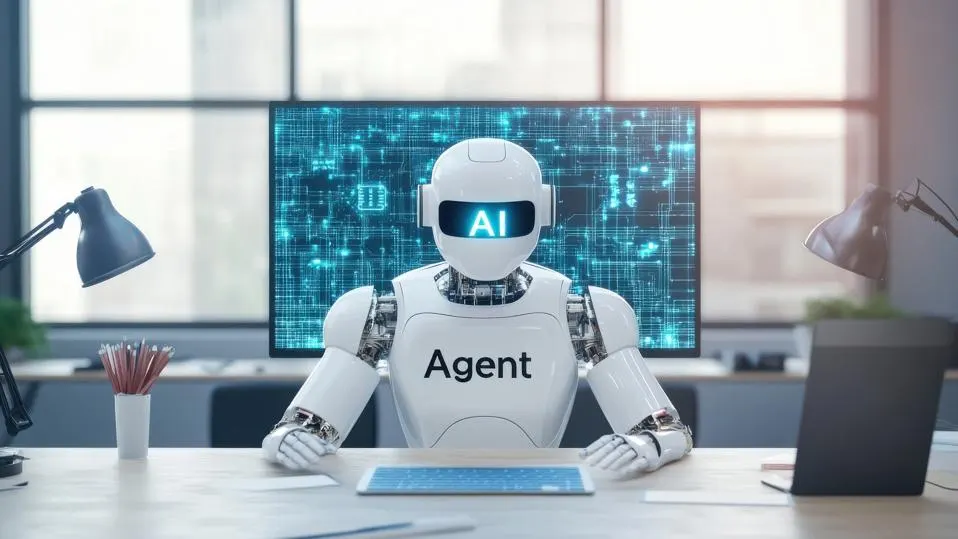
The most tempting story in business right now is that one founder with enough AI tools can replace an entire team.
It’s provocative, easy to package and close enough to reality to spread.
It’s also not what happened in my company.
I didn’t replace every person with an agent. I looked at the work we were doing, separated where we needed human judgment from repetition and started rebuilding the operating model around a smaller human team with better leverage.
Buying a collection of tools is not the same as redesigning a business.
The Breakthrough Was Not The Tool
Like most founders, I started by using AI for isolated tasks. Draft this. Research that. Summarize a meeting. Build a page.
Each task became faster, but the business didn’t automatically become more coherent. In some cases, the tools created more work because someone still had to move the output, check it, reconnect the context and decide what happened next.
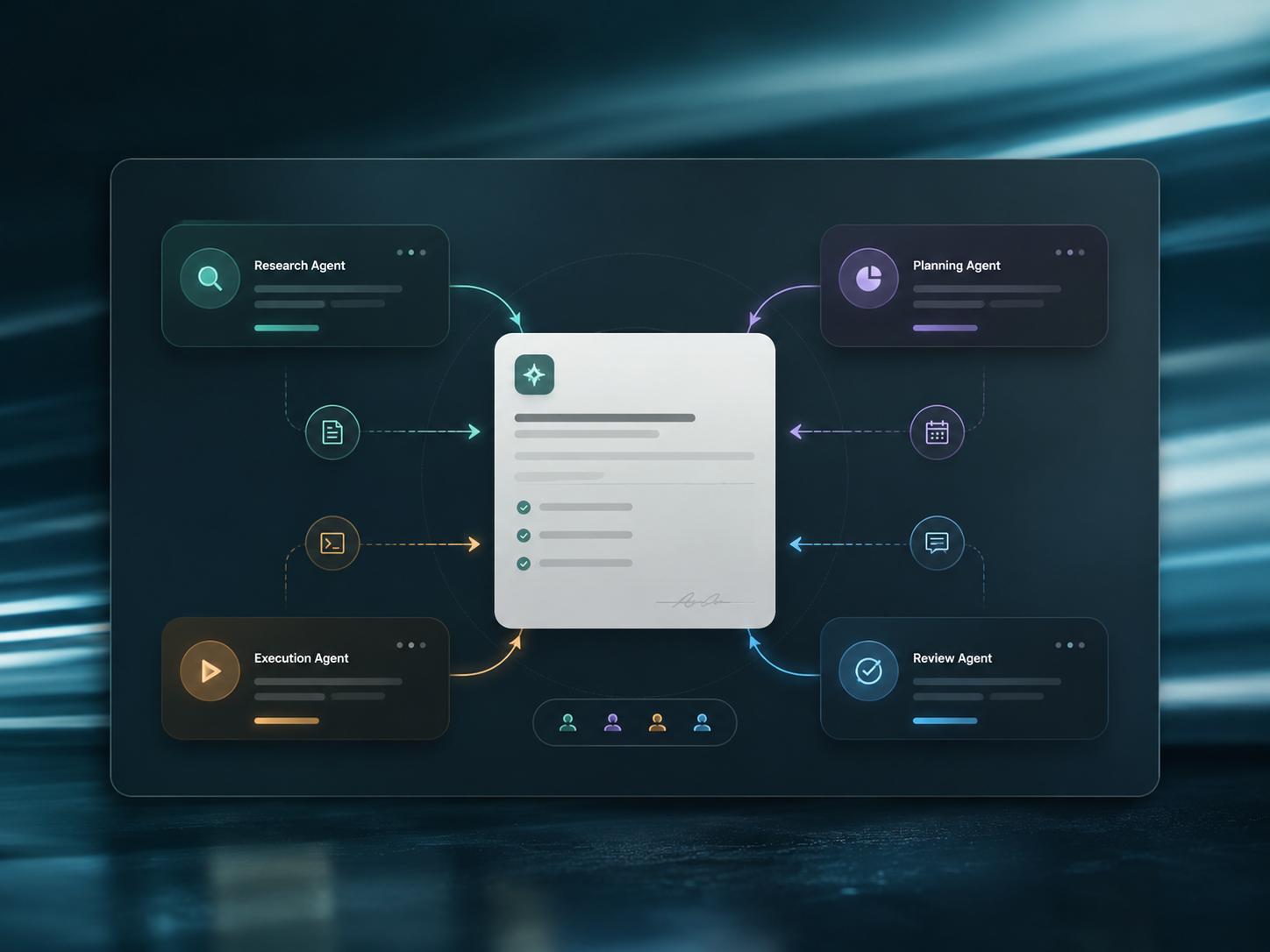
The leverage appeared when I stopped asking which tool could complete a task and started mapping the entire workflow.
What starts the work? What information does it require? Where does human judgment materially change the outcome? Who approves it? Which system needs the result? What happens if the output is wrong?
Once you ask those questions, the agent is only one part of the design.
Agents Are Becoming Infrastructure
Databricks reported that multi-agent workflows grew 327% in less than four months. Its report also found that companies using evaluation tools moved nearly six times more AI projects into production, while organizations using governance moved more than twelve times as many.
The interesting point isn’t simply that agents are growing. The organizations getting value from them are building the surrounding discipline too.
Context, evaluation, approvals, data access and ownership matter as much as the model.
What Stays Human
In my business, AI can gather information, organize inputs, prepare a first pass, maintain a system and surface what needs attention. It dramatically reduces the administrative and production work required to keep the company moving.
But it cannot own the client relationship, decide which uncomfortable truth a founder needs to hear and it cannot replace the judgment that comes from decades inside an industry.
It also doesn’t know when a technically correct answer is commercially naive unless someone has taught it the difference and remains responsible for the decision.
That is where I want people spending their time.
The New Operating Question
The old question was how many people we needed to perform the work.
The more useful question now is: what’s the smallest responsible system that can produce this outcome well?
Sometimes that system is an agent. Sometimes it is a person. Often it is a workflow in which AI handles the repetitive middle and a human owns the beginning, the judgment points and the final decision.
This changes the math of a small company. One person with well-designed systems can accomplish far more than one person could three years ago. A focused team can behave like a much larger organization without inheriting all the overhead.
The advantage does not come from collecting tools. It comes from being willing to rethink the work itself.
I breaks down the real-world impact in the newest episode of Leadr. Podcast, what changed, what didn’t, and what she learned by rebuilding the work around AI.
Listen to the conversation.




















Read the Comments +