Turnkey agents are here. That’s my name for agents that are fairly useful out of the box, work on their own, and actually get stuff done. Right now there’s a three-way race between Grok Bot, Muse from Meta, and Dot from ChatGPT, and I’ve been trialing all three, which makes me either very thorough or very easily distracted.
But more on that in a minute.
Remember the Prompt?
ChatGPT showed up in late 2022, and it feels like we’ve lived a few AI lifetimes since.
Remember the prompt? Everyone was selling them, and somehow every one was the best. They taught us how the models think, but you still did all the work while the AI told you how, or reminded you to. It was a very smart coach that never left the sidelines.
Then remember the terminal? Claude Code and the code-writing assistants let us build our own agentic AI, and I went all in. I built a workforce inside Claude, with specialized agents, workflows between them, and a Guardian agent to keep everyone in line. It took a lot of programming, a lot of data, and a lot of money to get right, which nobody puts on the slide.
And remember the file that was supposed to remember? Claude users swore by their CLAUDE.md, the instructions Claude Code reads at the start of every session. I trusted the LLM to hold it all together, and what I found is that none of them really do.
Everyone was building on a different platform, and every platform had the same habit. Give it enough time and it drifted back to its old memory and its default mode, like a houseguest who keeps putting your kitchen back the way their mom likes it. Meanwhile, the meter keeps running while you re-explain yourself to something that was supposed to know you already.
What I Learned
The one thing I’d keep from that era is the value of building a second brain at the base of everything, independent of whatever tool hosts my agents. It’s my real-time single source of truth.
Platform memory can change, reset, or get repriced without asking, and the tool you love today will get leapfrogged. When my context lives with me, every agent reads from the same place, I update it once, and switching tools takes an afternoon.
I use Obsidian, the same tool Dan Martell uses. It’s plain markdown files I own, so almost any agent can read it, and so can I.
Back to the Race

Up to now, AI mostly advised and I did the work. These three are the first agents I’ve trialed that pick the work up and carry it. They come with their own computers, open your apps, and keep going after you close the laptop.
Here’s how each one has held up so far.
The One That Doesn’t Wait
First up, Grok Bot. When I started, I wasn’t even sure who to credit (X, SuperGrok, Cursor, whatever you want to call it), so Grok Bot it is. Officially it lives at x.ai/bot and runs off a Cursor account or a linked SuperGrok subscription.
In my experience, it isn’t great at content writing. So naturally, my Copywriter Grok Bot wrote this article. You can be the judge.
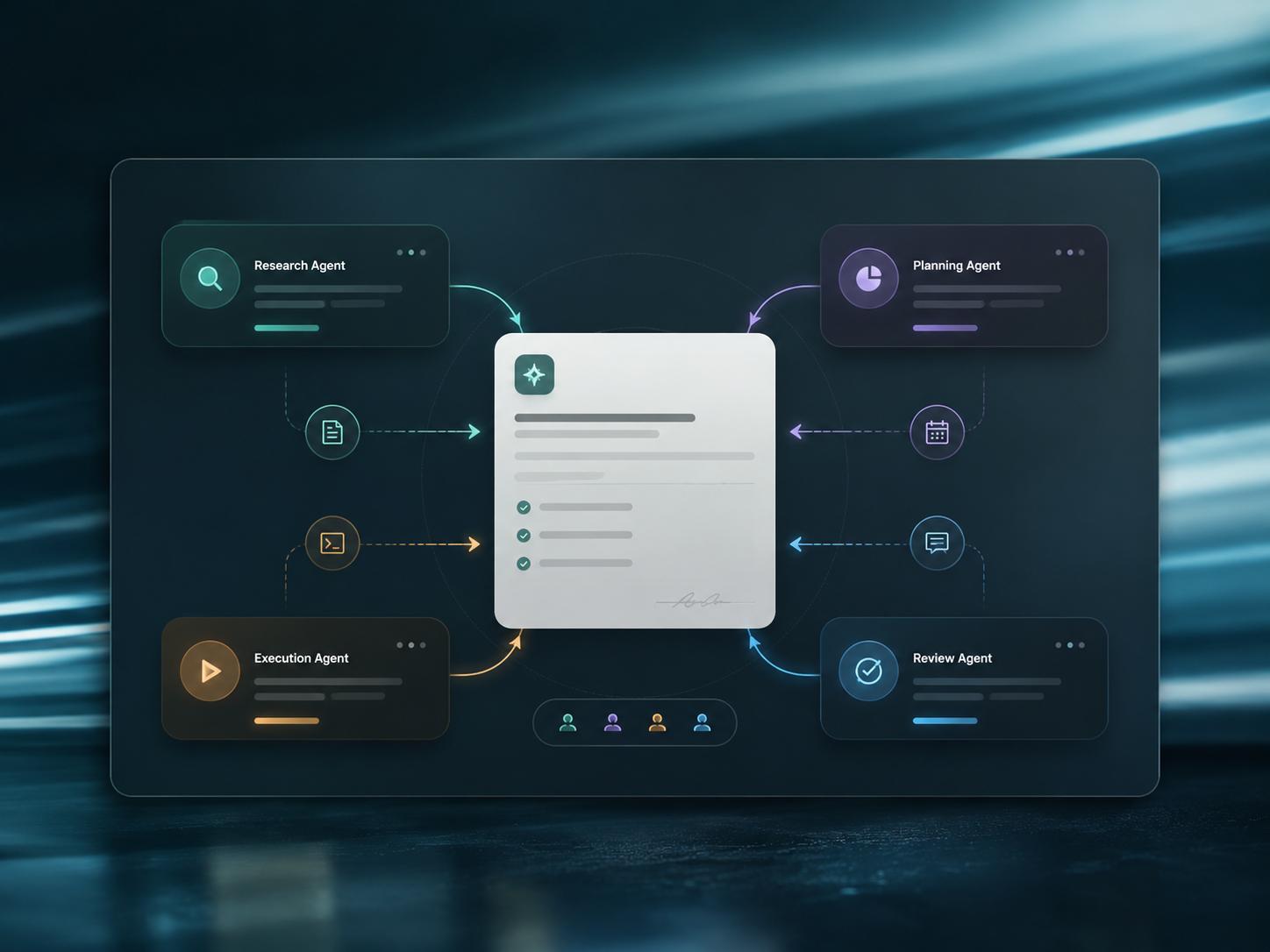
Where it shines is getting stuff done. It stays on top of things and doesn’t get tangled up in bureaucracy, constant approvals, or getting blocked, which was 100% my challenge with Claude and occasionally with ChatGPT. You can build as many bots as you want and they all work together, which is kind of cool.
It’s too soon to tell if it’s true value. For now I’m playing along, and they get shit done.
Five Seconds
Next, Muse from Meta. I spent about a week with it across every area of my life, and it kept landing in two places.
The first is Instagram. Muse is made by Meta, and it audits and prescribes like it knows the place. It’s really good at sending a report or an audit, and it can make a deck in literally five seconds.
The second is admin: paying for things, writing emails, getting back to people. It has some limits, but you can usually get past them. And because it’s right there on your phone, it’s the easiest of the three to reach for.
The Pile Got Smaller

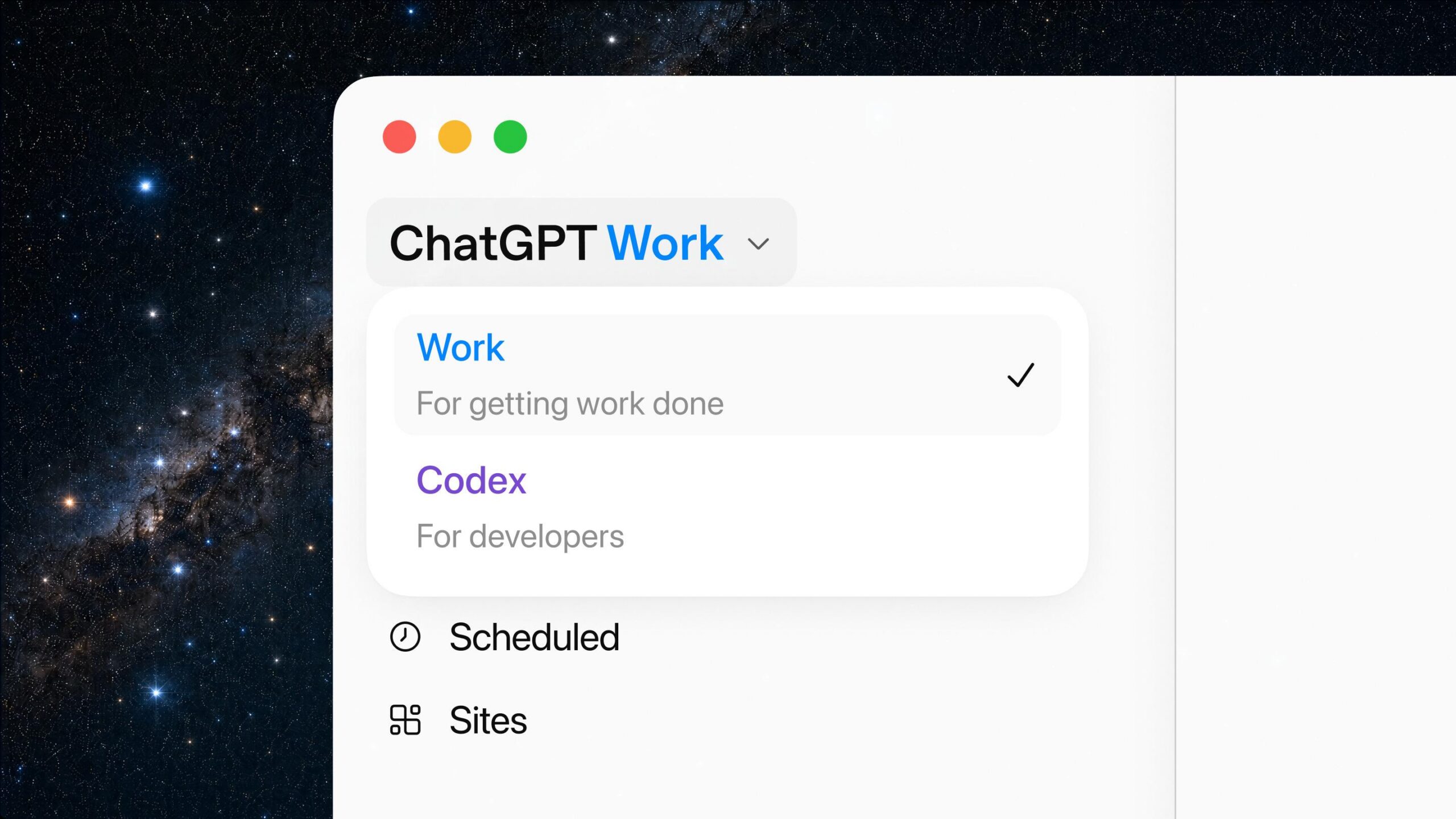
And then there’s Dot. I like ChatGPT for pretty much everything, so I came to it a little biased. It’s OpenAI’s always-on agent inside ChatGPT, it keeps working between conversations, and it could definitely be a turnkey agent right now.
I’m using it to help build my Obsidian vault, which it just did. It’s also knocking out the tasks I’d been putting off, like updating invoicing and sending emails to my team. Things come off my plate without me having to think about them first.
So Where’s the Puck?
Here’s the slightly uncomfortable part for someone who built her own. Turnkey agents are arriving fast enough to wipe out a lot of what early adopters like me put into our setups. Wait long enough and you’ll probably get one ready-made, out of the box, without much it needs from you. The costs are way down too.
That’s where the puck is headed. I’ll keep running the race with all three, avoid marrying any of them, and keep building the second brain they can all plug into.
If you want my setup, comment SECOND BRAIN and I’ll send you the guide.
Want the longer conversation? My Leadr. Podcast episode with AI architect Elvin Aghammadzada picks up right where this leaves off: AI Is Changing Your Job: The Future of Work & the Rise of AI Agents




























Read the Comments +